
Porcelain Veneers
Ivoclar E.max Minimal-Prep — 5–7 Days.
From $320 / tooth
View →
Replace aging, cracked, or leaking silver amalgam fillings in Ho Chi Minh City using rubber-dam isolation, high-volume evacuation, cold-water chunk sectioning, and biocompatible ceramic restorations.
Millions of adults from Australia, New Zealand, Europe, and North America carry silver-colored dental amalgam fillings placed twenty to forty years ago. Although amalgam served dentistry reliably for generations, aging metal fillings frequently develop microscopic edge breakdown, dark grey tooth discoloration, and structural hairline cracks that threaten the survival of back molars. Because traditional dental amalgam contains approximately 50% elemental mercury alloyed with silver, tin, and copper, casually grinding out an old filling with a dry drill can release avoidable plumes of mercury vapor and metallic particulates. At Kind Dental Vietnam in District 1, Ho Chi Minh City, Dr. Nguyen Van Cuong, DDS (Ministry of Health License 0003265/BL-CCHN; ICOI & VOSA member) performs SMART-aligned safe amalgam removal engineered around strict isolation, minimal-heat sectioning, and strong metal-free ceramic or composite reconstruction.
Understanding the physics of metal inside a living tooth explains why so many 1980s and 1990s amalgam restorations eventually fail mechanically:
Integrity comes before selling treatment. Consistent with evidence-based guidance from major international dental bodies (including the ADA, FDI, and WHO Minamata phase-down initiatives), intact, small, well-sealed silver amalgam fillings showing zero recurrent decay, zero cuspal cracks, and no patient health or aesthetic concern do not automatically require aggressive drilling. Removing a healthy, tight restoration unnecessarily exposes both the tooth nerve and the patient to avoidable intervention.
Conversely, Dr. Cuong recommends structured SMART-aligned replacement when clinical examination or high-magnification photography reveals any of the following:
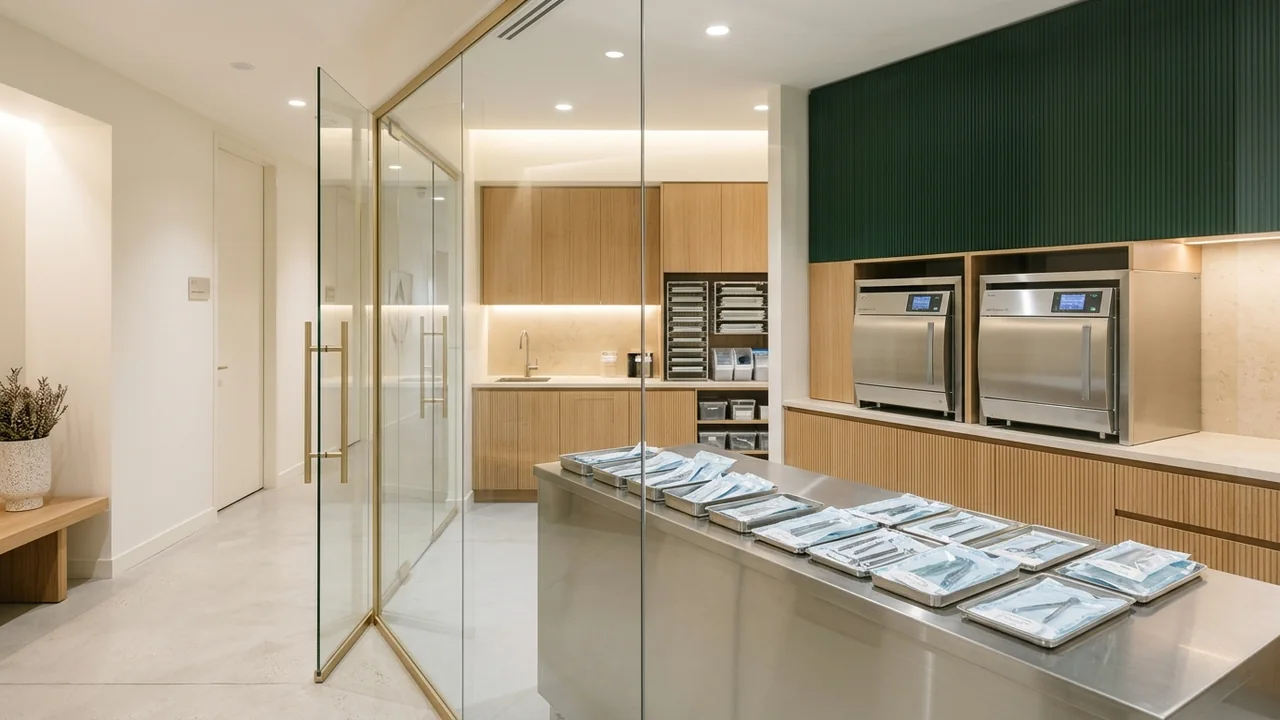
When high-speed rotary burs pulverize amalgam dry or under weak suction, frictional heat vaporizes trace elemental mercury and scatters alloy dust across the oral mucosa. Our safety protocol aligns with core Safe Mercury Amalgam Removal Technique (SMART) containment principles and our clinic’s European Class B sterilization standards:
| Containment Layer | Engineering Mechanism at Kind Dental Vietnam | Direct Patient Safety Benefit |
|---|---|---|
| 1. Non-Latex Rubber Dam Isolation | Heavy-gauge nitrile rubber sheet clamped tightly around the target tooth plus liquid light-cured perimeter sealant | Creates an impermeable physical barrier preventing amalgam particles, dust, or metallic sludge from touching your tongue, cheeks, or throat. |
| 2. Dual High-Volume Evacuation (HVE) | Intraoral wide-bore vacuum tip positioned millimeters from the bur + external extraoral aerosol suction hood near the chin | Captures aerosols, fine particulates, and vapor continuously at the source before they enter ambient breathing air. |
| 3. Copious Cold-Water Irrigation | Continuous chilled sterile water spray directed straight onto the cutting interface | Suppresses frictional heat aggressively, dramatically curtailing thermal mercury vaporization during sectioning. |
| 4. Minimal-Heat “Chunk Sectioning” | Fresh, fine tungsten-carbide bur slices narrow cross-channels through the metal to pry out 2–4 solid chunks | Eliminates pulverizing the entire filling into fine dust; reduces total cutting time to mere seconds per molar. |
| 5. Barrier Draping & Clean Air Support | Protective wrap-around eyewear, impermeable patient drape, optional clean nasal airflow, and post-removal rinsing | Protects eyes, skin, and clothing from stray splatter; thorough oral irrigation clears residual micro-debris once the rubber dam is lifted. |
| 6. Environmental Amalgam Separation | Chairside heavy-metal separator traps solid metallic waste for regulated hazardous disposal | Prevents dental amalgam waste from entering Ho Chi Minh City’s municipal water supply. |
Removing an old metal filling is only half of the engineering equation. Simply packing soft plastic filling material into a massive cavity that spans more than half a molar’s chewing width frequently leads to premature wear, biting sensitivity, or eventual cusp fracture. Dr. Cuong matches the replacement material strictly to how much healthy enamel remains once decay and fractured zones are cleaned:
| Metal-Free Restoration | Ideal Cavity Size | Flexural Strength | Tooth Conservation | Expected Longevity | Kind Dental Fee (USD) |
|---|---|---|---|---|---|
| BPA-Free Nano-Hybrid Composite Direct layered resin bonding |
Small-to-medium fillings (<40% tooth width) | ~120–150 MPa | Maximum (no extra shaping) | 7–12 years with routine care | $50 – $90 Single Visit |
| Bonded IPS e.max Ceramic Inlay / Onlay Custom CAD/CAM glass-ceramic |
Large restorations (40–70% tooth width) or weakened cusps | ~400–530 MPa | High (preserves healthy outer walls vs full crown) | 12–20+ years | $180 – $260 Save ~75% vs AU/US |
| Full-Coverage Monolithic Zirconia Crown 360° structural reinforcement |
Severely cracked molars (>70% lost structure) or root-canaled teeth | ~900–1,200 MPa | Moderate (wraps compromised cusps together) | 15–20+ years | $250 – $350 Maximum Strength |
For large failing back fillings, biomimetic bonded IPS e.max ceramic onlays are often Dr. Cuong’s favorite solution: rather than shaving down an entire healthy tooth perimeter for a full dental crown, an onlay caps only the weakened chewing surface and fuses adhesively to remaining enamel like a precision puzzle piece. Learn more about strength and wear profiles in our IPS e.max vs. Zirconia materials guide.
Safe, honest dentistry means disclosing nuances before picking up a handpiece:
Nervous about extended dental appointments? Explore our gentle sedation and rubber-dam comfort options, check itemized fees on our pricing page, or share your recent bitewing X-rays via WhatsApp (+84 853 020 003) or our online consultation portal.
Grinding old amalgam continuously with minimal suction generates frictional heat that sharply spikes momentary mercury vapor while scattering metallic filings across your tongue and throat. A tight non-latex rubber dam, copious chilled water spray, dual high-volume evacuation, and deliberate chunk sectioning slash particulate ingestion and aerosol exposure dramatically—protecting both you and the clinical team during the critical minutes of removal.
Not automatically. Small, intact amalgams with smooth margins, no visible fracture lines, and clean diagnostic radiographs can reasonably be monitored during routine checkups. Replacement is clinically clearest when fillings show open leaky seams, dark underlying shadow suggesting secondary decay, visible molar crack lines, or when you personally choose metal-free ceramics after discussing the minor nerve-sensitivity risks of re-treating deep teeth.
If your teeth only require direct BPA-free nano-hybrid composite fillings, multiple teeth can be removed and restored safely in 1 to 2 visits over 2 to 3 days. When larger cracked molars need custom CAD/CAM IPS e.max ceramic onlays or monolithic zirconia crowns fabricated by our master technicians, plan 4 to 6 days in District 1 so we can scan digitally, bond precision temporaries, and verify your final bite comfortably before departure.
Yes. Kind Dental Vietnam uses certified European and Japanese nano-hybrid composite resins formulated without elemental mercury, metallic alloys, or free Bisphenol-A (BPA) monomers, paired with inert lithium disilicate (IPS e.max) or medical-grade zirconia ceramics for larger structural restorations. Every material brand and lot number used in your teeth is documented clearly in your English dental treatment record.
Composite resin shrinks microscopically as it light-cures and flexes under heavy back-molar chewing forces. In wide cavities left behind by oversized silver fillings, large resin fillings are prone to edge leakage, staining, and biting sensitivity within a few years. A custom laboratory-fired IPS e.max ceramic onlay offers roughly triple the flexural strength, binds weakened outer enamel cusps together rigidly, and preserves far more healthy natural tooth than grinding down for a full crown.
In keeping with honest, evidence-based medicine, Kind Dental Vietnam never promises that removing dental amalgam will cure chronic systemic or neurological illnesses. Our clinical goal is strictly dental and precautionary: eliminating structurally compromised, leaking, or fractured metal restorations using clean vapor-mitigation engineering and rebuilding strong, durable, biocompatible teeth that protect your long-term oral health.
Ivoclar E.max Minimal-Prep — 5–7 Days.
Metal-Free CAD/CAM Crowns — 4–6 Days.
IPS e.max vs 3D Zirconia — 4–7 Days.
Clear Aligners & Braces — 3D Digital Scan in 1 Visit.