
Porcelain Veneers
Ivoclar E.max Minimal-Prep — 5–7 Days.
From $320 / tooth
View →
Compare flexural strength, natural translucency, tooth preparation thickness, and longevity of Ivoclar IPS e.max, 3D Multilayer Zirconia, and ceramic onlays at Kind Dental Vietnam.
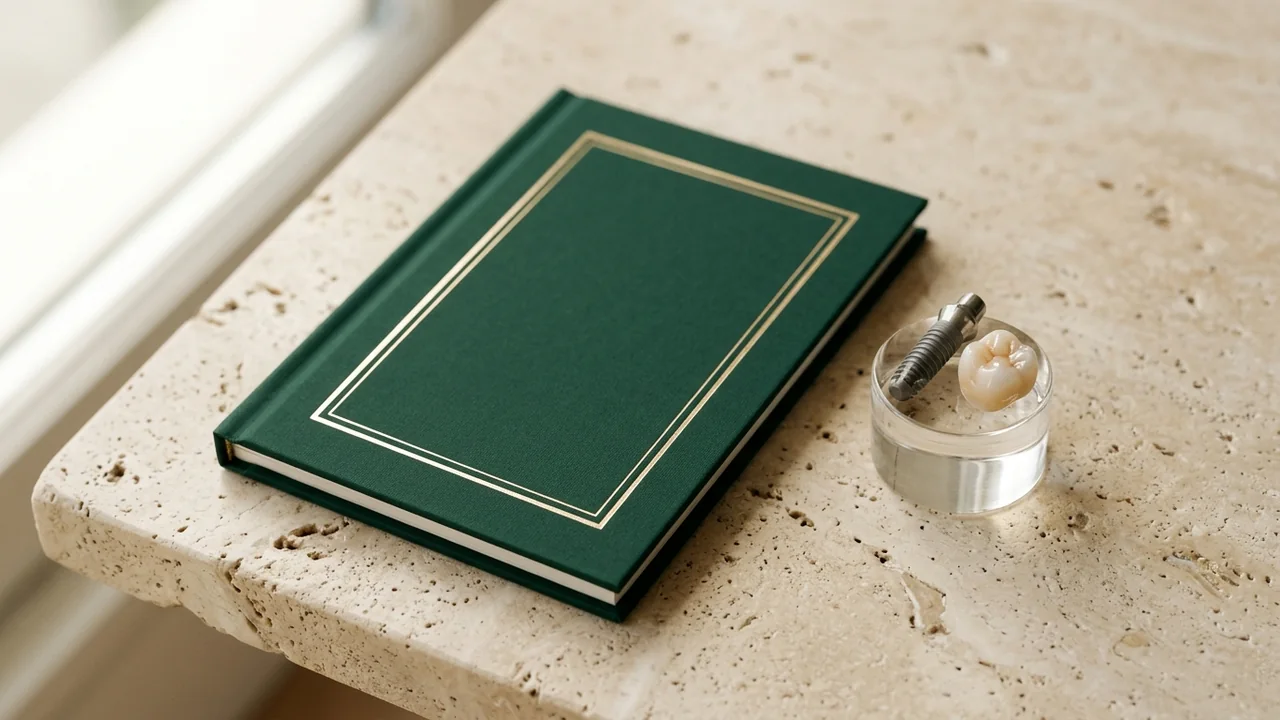
When researching porcelain veneers or dental crowns in Vietnam, patients encounter a blizzard of trade names—E.max, Cercon, Katana, Lava, layered zirconia, feldspathic porcelain, and nano-composite—often accompanied by confusing sales claims that one single material works everywhere. In modern restorative dentistry, no single ceramic is ideal for every tooth. A delicate front incisor catching morning sunlight has completely different optical and mechanical demands than a heavily loaded back molar absorbing 60 kilograms of chewing force.
At Kind Dental Vietnam in District 1, Ho Chi Minh City, Dr. Nguyen Van Cuong, DDS (Ministry of Health License 0003265/BL-CCHN; ICOI & VOSA member) translates dental material science into plain English so you can choose authentic European and Japanese ceramics tailored accurately to your smile zone, bite habits, and tooth structure.
Before comparing brand names, four measurable engineering factors determine clinical success:
Below is how the five primary restorative materials offered at Kind Dental Vietnam compare across strength, aesthetics, tooth conservation, and transparent USD fees.
| Restorative Material | Flexural Strength | Light Translucency | Min. Prep Thickness | Opposing Wear Profile | Kind Dental Fee (USD) | Written Warranty |
|---|---|---|---|---|---|---|
| Ivoclar IPS e.max Press / CAD Lithium disilicate (Liechtenstein) |
400–530 MPa | Exceptional; lifelike incisal depth & warmth | 0.3–0.6 mm (veneers) 1.0 mm (crowns) |
Very gentle; closely matches natural enamel wear | $280 – $380 Smile Zone Gold Standard | 7–10 years* |
| 3D Multilayer Monolithic Zirconia Cercon ht ML / Lava / Katana |
850–1,200 MPa | Good-to-very good; natural gradient neck to tip | 0.8–1.2 mm | Very low once precision mirror-polished | $250 – $350 Molar & Bruxer Choice | 10 years* |
| Porcelain-Layered Zirconia (PFZ) Zirconia core + hand-layered veneer |
Core 1,000+ MPa; Outer glaze ~100 MPa |
High; masks dark stumps & metal posts well | 1.2–1.5 mm | Gentle, though outer layer carries slight chipping risk | $280 – $380 Masks Dark Teeth | 7–10 years* |
| Ultra-Thin / Minimal-Prep Ceramic Veneers Hand-layered feldspathic / e.max |
120–450 MPa (bonded to enamel) | Maximum artistic optical realism | 0.2–0.4 mm (enamel-only) | Extremely gentle on opposing teeth | $320 – $420 Enamel-Conserving | 7–10 years* |
| Chairside Nano-Hybrid Composite Bonding BPA-free sculpted resin |
120–150 MPa | Good initially; gradually absorbs surface stains | 0.0–0.2 mm (additive) | Softest; chips or dulls faster than ceramic | $50 – $90 Single-Visit Option | 2–3 years* |
*All written warranties are subject to routine professional hygiene maintenance and protective nightguard use for patients who grind; review full terms on our clinical warranty page and itemized fees on our pricing guide.
Developed by Ivoclar Vivadent in Liechtenstein, IPS e.max is a monolithic lithium disilicate glass-ceramic widely considered the global aesthetic benchmark for front teeth and conservative premolar onlays. Because e.max bonds directly to natural tooth enamel at near-native strength, Dr. Cuong can preserve up to 70–85% of your natural tooth volume—avoiding the aggressive 360-degree peg-shaving notorious in high-volume cosmetic factories abroad. IPS e.max is our primary choice for:
Older first-generation zirconia earned an unfair reputation for looking chalky and opaque. Today’s 3D Multilayer Cubic-Tetragonal Zirconia (such as Dentsply Sirona Cercon ht ML, 3M Lava Esthetic, and Kuraray Katana) embeds smooth shade and translucency gradients right inside the raw ceramic disc—stronger and richer near the gumline, gracefully translucent toward the biting tip—all milled from one solid, chip-resistant block without a brittle hand-baked porcelain shell on top. Dr. Cuong recommends monolithic 3D zirconia for:
Premium ceramic blocks still require disciplined artistry to look indistinguishable from healthy natural enamel. At Kind Dental Vietnam, your ceramic fabrication never relies on rushed one-hour chairside grinding or flat assembly-line templates:
One of the most frequent regrets travelers express after rushing overseas smile makeovers elsewhere is ending up with dazzlingly bright, uniform “refrigerator-white” teeth (extreme opaque BL1) that broadcast artificiality across a dinner table. Truly sophisticated smile design harmonizes brightness with natural biology:
Honest ceramic dentistry respects biological boundaries. Ultra-thin e.max veneers are unsuitable for teeth with massive decay, severe untreated gum disease, unstable edge-to-edge crossbites, or heavy untreated bruxism without protective nightguard compliance. Conversely, placing full crowns on completely intact virgin teeth solely to rush alignment—when short clear aligners plus whitening would preserve 100% of enamel—violates Dr. Cuong’s conservative philosophy. Individual clinical outcomes depend on enamel thickness, bite force distribution, and daily oral hygiene.
Potential clinical risks—including transient post-bonding thermal sensitivity for 1–2 weeks, rare ceramic chipping on hard foods (ice, crab shells, olive pits), or marginal gum recession over a decade—are minimized via conservative enamel preparation, microscope-checked margin sealing, balanced occlusion, and a complimentary precision nightguard review for grinders. Explore how gentle appointments feel on our comfort-focused dentistry page, or send clear smile photos via WhatsApp (+84 853 020 003) or our consultation portal for Dr. Cuong’s tailored material recommendation.
Enamel-Bonded Ceramics vs. Full-Crown Reduction: Learn why translucent lithium disilicate bonded to intact enamel is usually the more conservative choice for healthy front teeth than full zirconia crowns, in Natural European Smile Design in Vietnam vs. Aggressive ‘Turkey Teeth’ Crown Shaving (2026).
For healthy front teeth with normal underlying color, Ivoclar IPS e.max is typically the superior choice because its glass-ceramic matrix delivers unmatched light translucency and bonds chemically to thin enamel—requiring less tooth reduction. However, if a front tooth is heavily darkened after an old root canal, carries a metal post, or sits on a dental implant in a heavy grinder, 3D multilayer or layered zirconia masks underlying discoloration far more reliably.
Authentic laboratory-glazed IPS e.max and monolithic zirconia ceramics have dense, non-porous glassy surfaces that resist coffee, red wine, curry, and tea pigments far better than natural tooth enamel or composite bonding resin. To keep that high luster for 10 to 15+ years, simply avoid abrasive charcoal or gritty whitening toothpastes, which can slowly dull the outer ceramic glaze over time.
Every ceramic restoration crafted at Kind Dental Vietnam comes with clear written material documentation specifying the exact ceramic system (such as Ivoclar IPS e.max Press/CAD or Dentsply Cercon ht ML), shade code, and laboratory certificate inside your English discharge record. We never substitute uncertified bulk ceramic blocks under premium brand labels.
Modern clinical tribology studies show that finely mirror-polished monolithic zirconia actually causes equal or less opposing enamel wear than traditional feldspathic porcelain. Wear problems occur only when zirconia is left rough or unpolished after chairside bite grinding. Dr. Cuong finishes every adjusted zirconia surface with multi-stage diamond ceramic polishing wheels so opposing enamel glides smoothly.
BPA-free composite bonding is a wonderful conservative option for tiny corner chips, narrow tooth gaps, or younger patients wanting zero-drill reversible touch-ups. However, across full 6-to-10-tooth smile makeovers, composite resin gradually absorbs stains, loses surface gloss within 2 to 4 years, and chips more easily than glass-ceramic—making IPS e.max veneers substantially more durable and cost-effective over a 10-to-15-year horizon.
Plan 5 to 7 working days in Ho Chi Minh City for 6 to 10 porcelain veneers or crowns, and 3 to 5 days for 1 to 4 crowns or ceramic onlays. This unhurried pacing gives our master ceramists proper layering and firing time, enables a careful aesthetic try-in prior to final bonding, and leaves a comfortable 24-to-48-hour post-bonding bite check before your flight home.
Ivoclar E.max Minimal-Prep — 5–7 Days.
Metal-Free CAD/CAM Crowns — 4–6 Days.
Clear Aligners & Braces — 3D Digital Scan in 1 Visit.
Care for Anxious Patients — Unhurried Pacing.