For millions of adults worldwide, avoiding the dentist has nothing to do with neglect—it stems from a painful childhood appointment, a severe gag reflex, needle phobia, or the helpless feeling of lying back in a bright chair while someone works quickly in your mouth. When you add the prospect of flying to another country for dental implants, porcelain veneers, or restorative crowns, anxiety can feel overwhelming.
Notice that we intentionally call our clinical approach pain-conscious gentle dentistry rather than making unrealistic marketing promises. No ethical surgeon will ever promise zero physical sensation or claim every surgical recovery involves zero tenderness. What modern evidence-based dentistry can reliably achieve is profound chairside numbness that prevents sharp pain, dramatically gentler tissue handling, calm psychological control, and predictable, manageable post-operative recovery. Here is exactly how Dr. Nguyen Van Cuong, DDS and our team in District 1, Ho Chi Minh City care for nervous international patients.
Why Dental Anxiety Feels Stronger Abroad—and How We Neutralize It
Anxious travelers consistently describe four core triggers: fear of language misunderstandings during a procedure, fear of being rushed to fit a clinic’s packed schedule, fear of the local anesthetic injection itself, and fear of unexpected pain mid-procedure. Every layer of Kind Dental Vietnam’s boutique protocol is engineered to remove these triggers systematically.
Kind Dental Vietnam’s 5-Layer Pain-Conscious Gentle Protocol
Layer 1: Private-Suite Calm & Hand-Signal Control
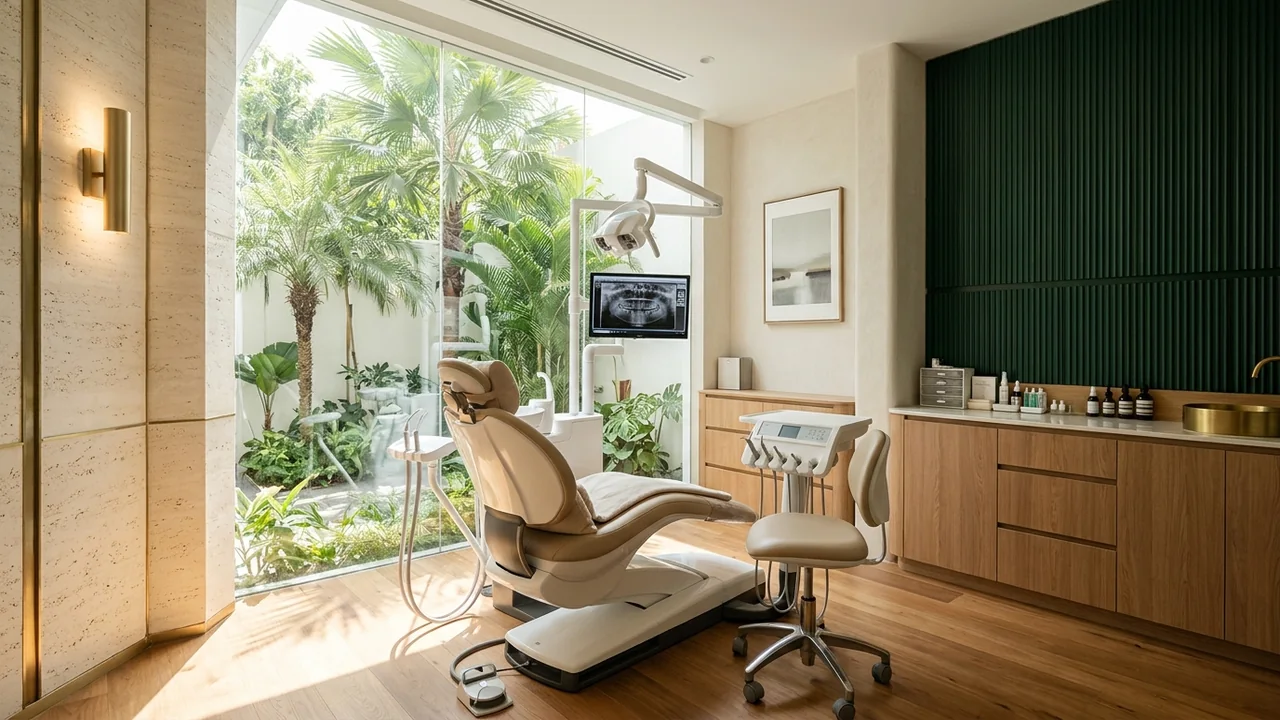
High-volume corporate clinics often run open bays or overlapping rooms where patients hear dental drills before they even sit down. At Kind Dental Vietnam, appointments are scheduled privately 1-on-1 in a quiet, serene District 1 treatment suite. Dr. Cuong communicates clearly in English before every step, explains what you will hear or feel in advance, and establishes a strict raised left-hand stop signal. If you raise your hand for any reason—whether you want to swallow, ask a question, take a breath, or request additional numbing—everything pauses immediately. Knowing you hold the brake pedal reduces sympathetic adrenaline spikes markedly.
Layer 2: Two-Stage Numbing & Computer-Regulated Local Anesthesia
Most patients who “hate dental needles” actually dislike the burning hydraulic pressure caused when cold anesthetic liquid is pushed rapidly into dense gum tissue. Our gentle anesthesia sequence neutralizes both sensations:
- High-Efficacy Topical Numbing Gel: Applied carefully to dry mucosa for a full 2–3 minutes so the initial surface contact is barely felt.
- Warmed, Slow-Flow Computer-Regulated Delivery: Body-temperature anesthetic is delivered drop-by-drop below the tissue pressure threshold, allowing the medication to numb tissue ahead of the micro-fine needle tip.
- Objective Numbness Verification: Before any drilling, tooth preparation, or surgical step begins, Dr. Cuong tests sensation gently and waits the full physiological onset window—especially in inflamed lower molars that require longer anesthetic absorption.
Layer 3: Minimally Invasive Technology (Zero Putty, Ultrasonic Precision)
Modern equipment eliminates many of the traditional sensory triggers that provoke anxiety and gagging:
- Putty-Free Digital Intraoral Scanning: Instead of cold, overflowing alginate trays that trigger severe gag reflexes, a sleek optical wand captures 3D impressions in minutes.
- 3D CBCT Computer-Guided Keyhole Implants: Where bone width permits, virtual 3D surgical guides allow Dr. Cuong to place implants through tiny precision openings with minimal gum reflection and fewer sutures—translating directly to less post-operative bruising and swelling.
- Ultrasonic Piezotome Bone Surgery: For delicate procedures such as a sinus lift or bone graft, piezoelectric micro-vibrations cut mineralized bone selectively while sparing delicate soft tissues and the Schneiderian sinus membrane.
- Warm-Water Swiss EMS AirFlow Hygiene: For sensitive teeth during cleanings, warmed water and fine erythritol powder gently remove biofilm without the cold shock or scraping sound of old metallic scalers.
Layer 4: Oral Anxiolysis & Sedation Pathways (With Strict Medical Screening)
For patients with moderate-to-severe dental phobia or lengthy full-arch appointments, local anesthesia alone may still feel psychologically daunting. Depending on your medical history (ASA physical status classification), Dr. Cuong can discuss mild prescribed oral anxiolysis taken prior to your appointment so you feel deeply relaxed and drowsy while remaining able to breathe independently and respond calmly to voice cues.
For patients requesting deeper intravenous (IV) conscious sedation or hospital-grade general anesthesia—for example, complex All-on-4 full-arch surgery combined with severe phobia—candidacy is carefully screened and coordinated exclusively with qualified board-certified anesthesiologists in properly equipped medical settings, following strict fasting, cardiac monitoring, and post-procedure companion escort requirements.
Layer 5: Proactive Post-Operative Comfort & Direct Recovery Support
Gentle dentistry continues after you step out of the chair. Before any surgical appointment, we provide clearly labeled English instructions covering scheduled anti-inflammatory medication timing (taking your first dose before numbness fades prevents peak inflammatory discomfort), ice-pack intervals during the first 24 hours, soft-diet meal ideas available easily in District 1, and direct WhatsApp access to our clinical team at +84 853 020 003 for evening check-ins.
Honest Expectations: What You Feel vs. How Each Sensation Is Managed
Transparency builds far more trust than hype. Even with profound local anesthesia, nerve fibers carrying sharp pain are blocked while fibers carrying dull pressure and vibration remain active. Knowing this distinction ahead of time prevents anxious patients from mistaking harmless pressure for pain.
| Dental Procedure | Chairside Sensation (With Protocol) | Expected Post-Visit Recovery | Key Gentle Mitigation Used |
|---|---|---|---|
| AirFlow Biofilm Hygiene & Exam | Warm water spray; minimal sensitivity | Immediate normal eating | Warmed water Swiss AirFlow + desensitizing paste |
| Minimal-Prep Veneers / Crowns | Numb; light vibration & water mist only | Mild gum tenderness 24–48 hrs; transient cold sensitivity | 0.2–0.5mm enamel conservation + digital optical scan |
| Single Guided Dental Implant | Numb; firm pushing/vibration for 20–30 mins | Mild-to-moderate ache & localized swelling peaking Day 2–3 | 3D keyhole guide, chilled saline irrigation, pre-emptive NSAIDs |
| Sinus Lift / Bone Graft | Numb; mild rhythmic ultrasonic hum | Cheek swelling 3–5 days; mild sinus congestion | Ultrasonic Piezotome + atraumatic soft-tissue closure |
| All-on-4 Full-Arch Surgery | Profound anesthesia (+ optional anxiolysis/sedation) | Noticeable swelling/bruising Days 2–4; soft diet required | Staged comfort protocol, smooth temporary arch, daily check-ins |
Anxiety-Friendly Trip Pacing Blueprint
One of the biggest mistakes nervous travelers make is scheduling major treatment on the exact afternoon they step off an overnight international flight. Dehydration, jet lag, and elevated cortisol amplify pain sensitivity. Here is how we pace appointments for anxious visitors in Ho Chi Minh City.
| Trip Phase | Clinical Goal | Why It Helps Anxious Patients |
|---|---|---|
| Pre-Flight (At Home) | WhatsApp / video introduction directly with Dr. Cuong | Removes fear of the unknown; you meet your surgeon & discuss triggers before flying. |
| Day 1 (Clinic Visit 1) | Non-invasive 3D CBCT, optical scan & relaxed conversation | Zero drills or needles on first meeting; builds genuine trust in the suite. |
| Day 2–3 (Active Care) | Morning appointments with scheduled stretch/water breaks | Patients rest well overnight after jet lag; morning cortisol & fatigue are lower. |
| Day 4–6 (Review & Buffer) | Gentle suture/bite check & flight clearance before departure | Confirms comfortable healing and answers every question before boarding your flight. |
Medical Contraindications & Safety Considerations
Comfort never overrides medical safety. Before using any local anesthetic with epinephrine, oral anxiolytic, or post-operative anti-inflammatory, Dr. Cuong conducts a comprehensive review of your systemic health. Please disclose all prescription medications and medical conditions during your pre-trip assessment, especially:
- Cardiovascular conditions or uncontrolled hypertension: Determines safe vasoconstrictor limits in local anesthetics.
- Blood thinners (warfarin, apixaban, rivaroxaban, clopidogrel, aspirin): Never stop anticoagulants without your prescribing physician’s written guidance; local hemostatic measures are planned carefully instead.
- Sleep apnea, asthma, or benzodiazepine sensitivities: Critical for evaluating safe candidacy for oral relaxation medications or anesthesiologist-led sedation.
- History of difficult numbing (“hot tooth” or Ehlers-Danlos / red-hair anesthesia variance): Letting Dr. Cuong know upfront allows tailored anesthetic buffering and extra onset time rather than rushing.
If dental fear has kept you postponing care for years, you are welcome to start with a completely pressure-free conversation. Share your concerns openly via our private consultation page or message us directly on WhatsApp at +84 853 020 003—and review our strict infection control and safety protocols at your own pace.
Frequently Asked Questions
Can I have my first appointment at Kind Dental Vietnam be “talk and scan only” with no drilling or injections?
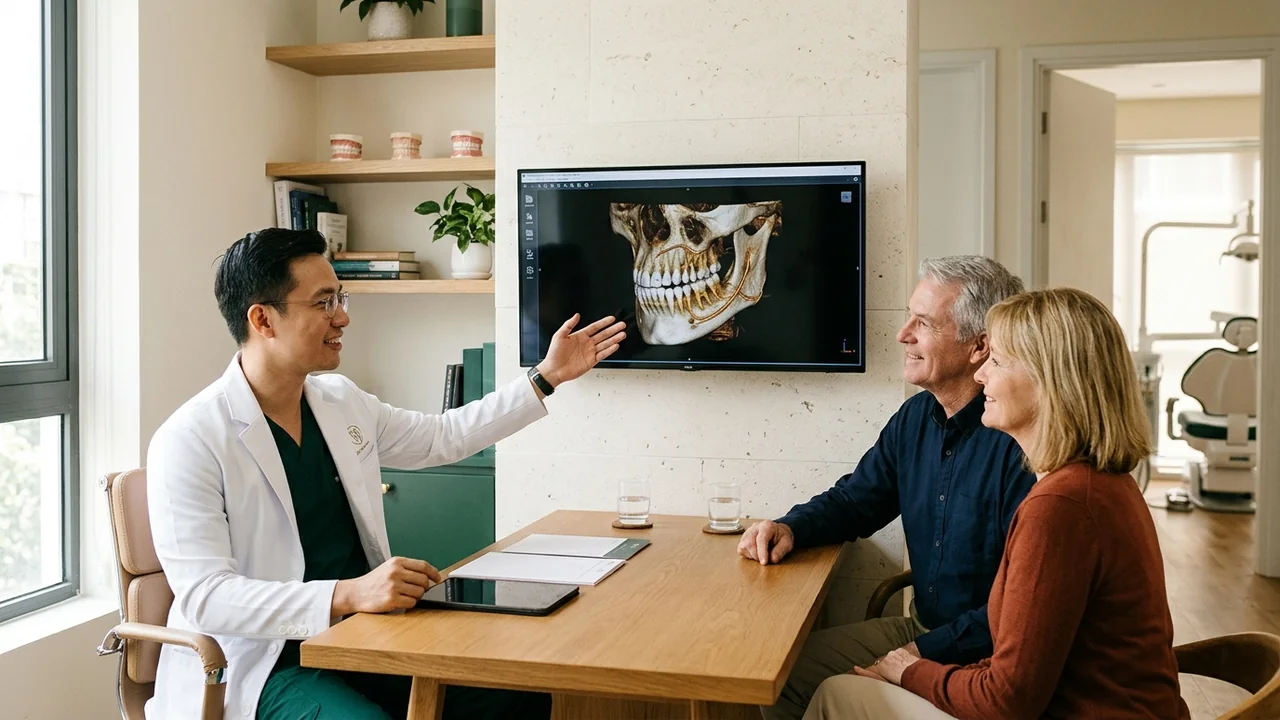
Absolutely—in fact, we encourage this for anxious travelers. Your first in-clinic visit in District 1 can consist purely of meeting Dr. Cuong, touring the quiet treatment suite, taking a quick 3D CBCT or putty-free optical scan, and reviewing your treatment plan calmly on screen. Active treatment begins only on a subsequent appointment once you feel completely informed and comfortable.
I always gag during dental impressions—how will you take molds for crowns or veneers?
We use digital intraoral optical scanners instead of traditional silicone or alginate putty trays for crowns, veneers, and implant restorations. A slim handheld camera captures thousands of high-resolution 3D frames in a few minutes without touching the back of your throat or filling your mouth with paste, making it dramatically more comfortable for severe gaggers.
What if local anesthesia normally wears off quickly on me or does not numb my lower teeth well?
Individual anatomical nerve variations, past infection, or high adrenaline can make standard numbing slower to take hold. Tell Dr. Cuong during your pre-trip review so we can plan buffered articaine or supplementary intra-ligamentary/nerve-block techniques, allow extra onset time before testing numbness gently, and pause immediately to top up anesthesia if you ever feel even slight sensitivity.
Is IV sedation or general anesthesia available in Ho Chi Minh City if I need All-on-4 implants?
Most single and multi-implant patients do remarkably well with our gentle local anesthesia protocol, optionally paired with mild oral relaxation medication. However, for severe dental phobia or extensive full-arch surgeries where IV sedation or general anesthesia is medically appropriate, Dr. Cuong coordinates safely with qualified anesthesiologists in licensed hospital-affiliated surgical settings after thorough pre-operative medical screening.
May I bring my spouse, partner, or noise-canceling headphones into the treatment suite?
Yes. Because Kind Dental Vietnam operates private 1-on-1 suites rather than open multi-chair bays, you are welcome to bring your own noise-canceling headphones with calming music or podcasts, and a travel companion may accompany you during consultations and recovery check-ins (stepping just outside the sterile field only during active surgical implant placement to preserve strict asepsis).
How uncomfortable is the flight home after dental implant surgery?
When you respect recommended post-surgery wait times—typically 4–7 days for straightforward implants or 7–10 days for sinus lifts and All-on-4—acute post-operative swelling has already peaked and started resolving before you board. You can read our complete cabin-pressure timelines in our guide to flying after dental implants and sinus lift surgery.
Want Honest Clinical Advice on Your X-Ray or Quote?
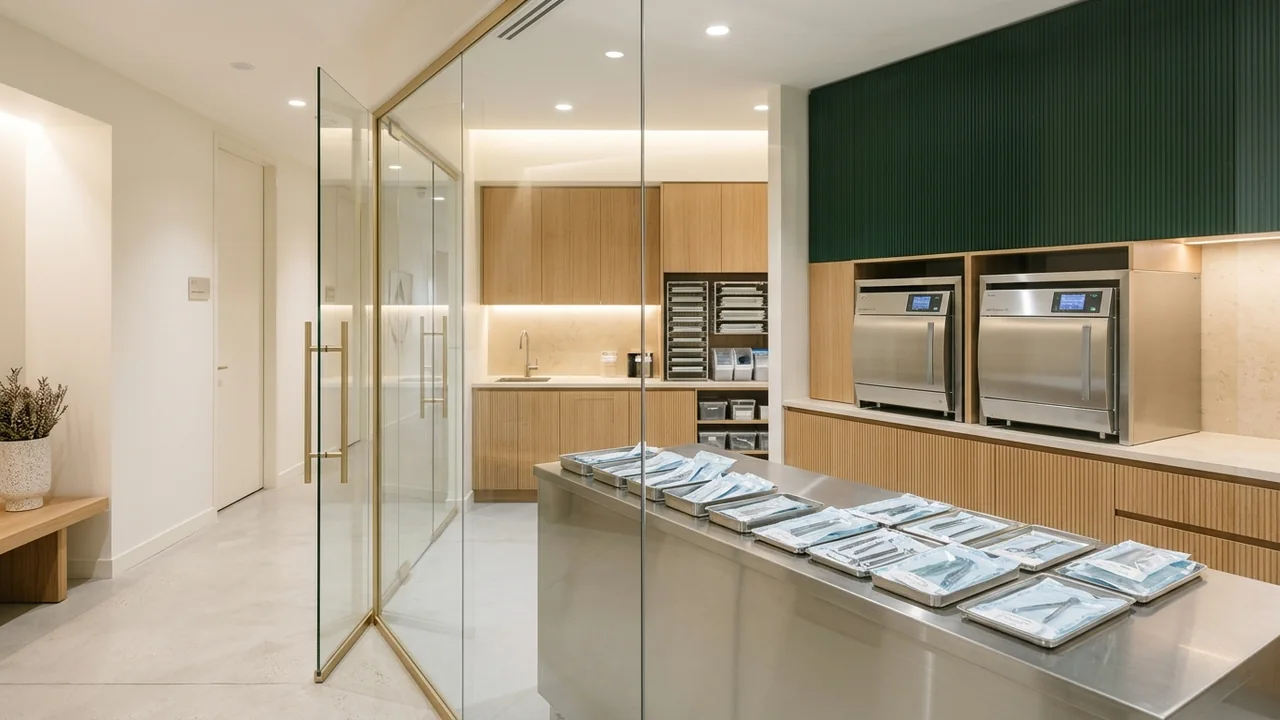
Send your panoramic OPG scan or an existing treatment estimate via WhatsApp. Dr. Cuong will provide a clear, conservative comparison with zero agency markup.